

Modern commercial architecture succeeds when different materials work together rather than compete for attention. Successful projects share a common thread: thoughtful coordination between brick, glass, metal, and other elements to create cohesive designs that feel both substantial and inviting.
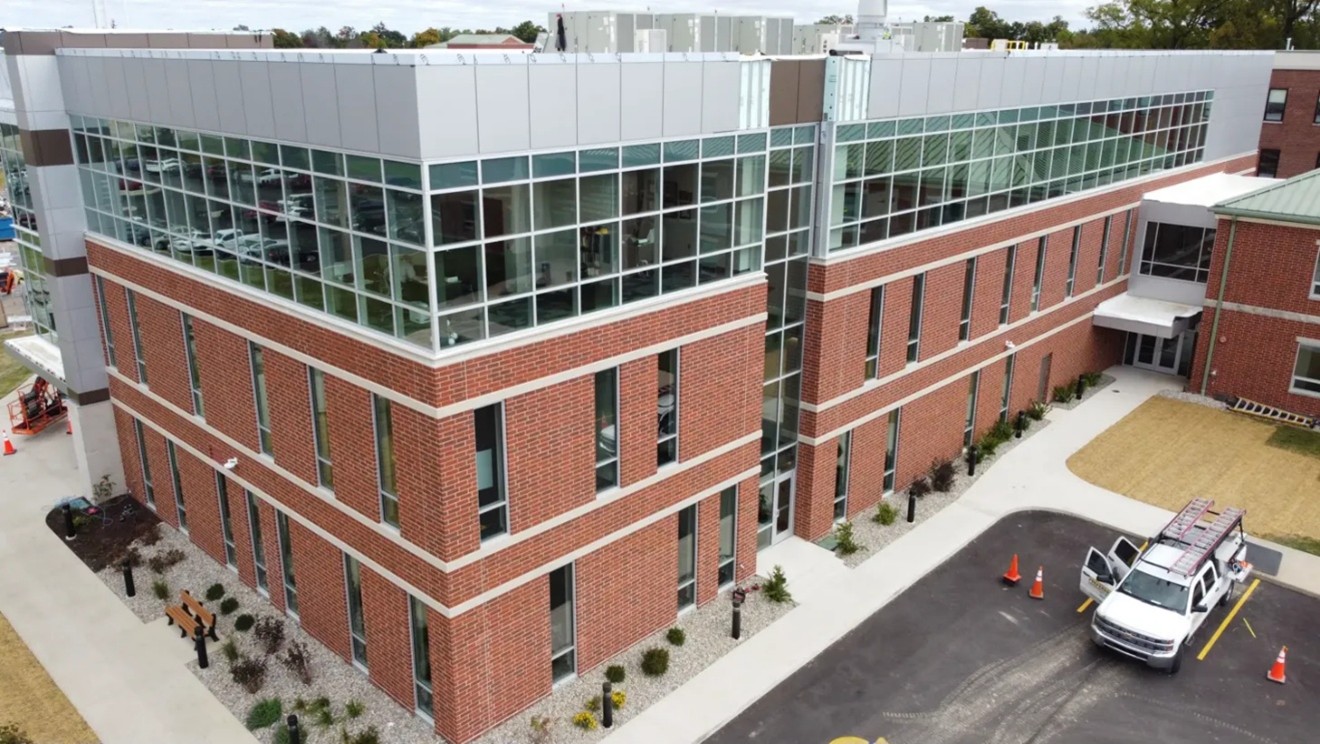
This integration doesn't happen by accident. It requires careful coordination between architects, contractors, and specialty suppliers who understand how their products contribute to the overall vision. Each material serves both aesthetic and functional purposes. Brick offers durability and visual weight, glass maximizes natural light and creates transparency, and precision-engineered aluminum systems ensure everything fits together seamlessly.
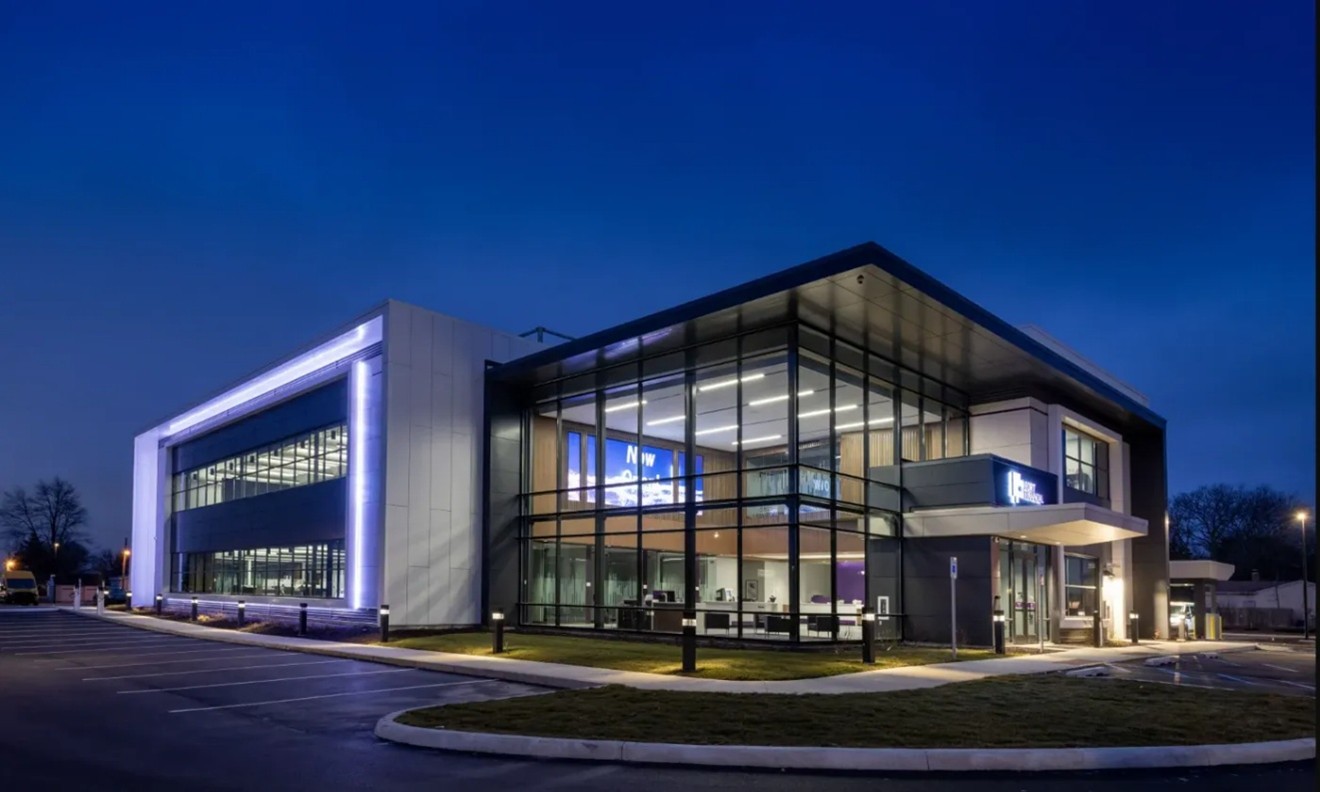
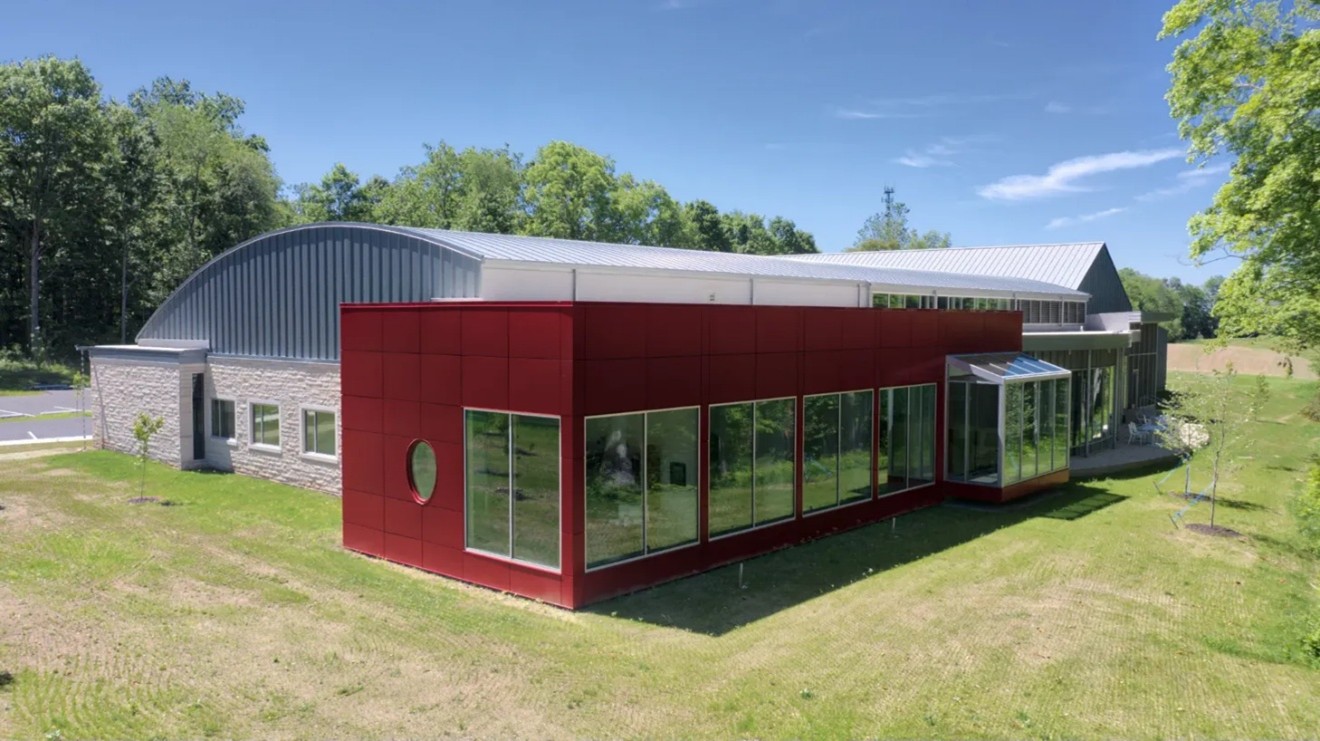
The principle of integration adapts to any architectural style or building type. Whether creating the dramatic nighttime presence of a corporate headquarters with LED-accented glass facades, designing light-filled interior spaces that connect multiple levels through soaring atriums, or achieving bold contemporary statements that blend industrial functionality with architectural sophistication, the same coordination and attention to detail apply.
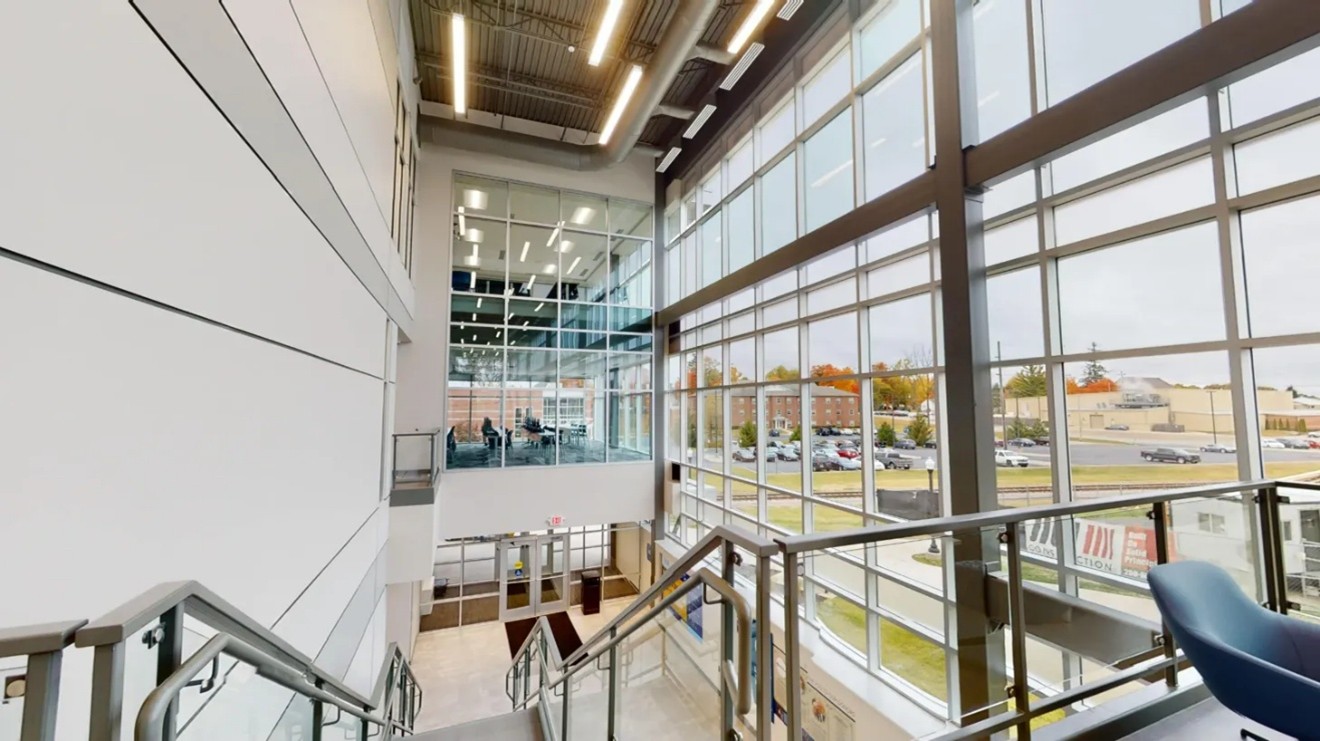
The result is architecture that makes a lasting impression across diverse sectors. When materials are chosen and installed with integration in mind, buildings don't just function well; they create the kind of professional, welcoming environments that today's commercial spaces demand.
At AGA, we understand how architectural glass and aluminum systems contribute to successful building design. Our products are engineered to integrate seamlessly with other materials, helping create the cohesive, professional appearance that sets projects apart.